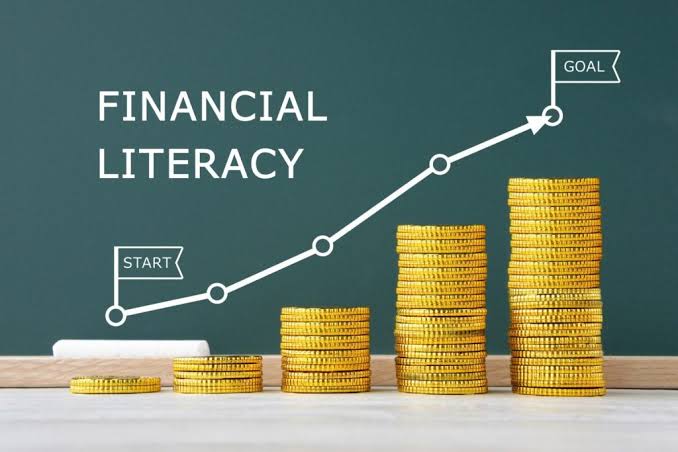
Understanding the Role of Financial Literacy
For individuals rebuilding their lives after homelessness or incarceration, achieving long-term stability involves far more than simply securing housing or employment. Financial literacy plays a critical role in helping people manage their income, make informed decisions, and build a stable future. Without proper financial knowledge, even individuals who find work and accommodation may struggle to maintain independence and avoid returning to unstable situations.
Financial literacy refers to the ability to understand and manage personal finances effectively. This includes budgeting, saving, banking, understanding credit, and managing everyday expenses. These skills are essential for creating stability and supporting long-term personal growth.
Overcoming Financial Challenges After Instability
Many individuals who have experienced homelessness or incarceration face significant financial difficulties when re-entering society. Some may have unpaid debts, poor credit histories, limited access to banking services, or little experience managing money independently. In many cases, financial education may never have been available to them previously.
Without guidance, it can be difficult to balance rent, food, transportation, and other essential costs while trying to rebuild a stable life. Financial stress often leads to anxiety, poor decision-making, and increased vulnerability to further hardship. Learning how to manage finances responsibly can help individuals regain control and reduce the risk of future instability.
Building Confidence Through Budgeting Skills
One of the most important aspects of financial literacy is budgeting. Understanding how to plan and track expenses allows individuals to use their income more effectively and avoid unnecessary debt. Budgeting also helps people prioritise essential needs such as housing, utilities, food, and healthcare.
For individuals transitioning back into independent living, budgeting creates structure and accountability. It encourages responsible spending habits and helps residents prepare for unexpected expenses. Even simple financial planning techniques can improve confidence and reduce financial uncertainty over time.
Supporting Employment and Independence
Stable employment is often a major step towards rebuilding independence, but earning an income alone does not guarantee long-term success. Individuals also need the skills to manage wages responsibly and make informed financial decisions.
Financial literacy programmes often teach participants how to open bank accounts, understand payslips, save money, and avoid predatory lending practices. These skills are especially important for people who may be unfamiliar with modern banking systems or online financial tools. Learning how to manage earnings effectively helps individuals maintain housing, build savings, and work towards personal goals.
Reducing the Risk of Returning to Crisis Situations
Financial instability is one of the leading causes of repeated homelessness and ongoing hardship. Without proper money management skills, individuals may struggle to pay rent, maintain utilities, or handle emergencies. This can quickly lead to housing insecurity and additional stress.
Financial literacy education provides individuals with practical tools to make sustainable choices and avoid common financial pitfalls. It also encourages long-term thinking, helping people plan for the future rather than focusing only on immediate survival. Developing these habits can significantly reduce the likelihood of returning to crisis situations.
Creating Stronger Futures Through Education
Programmes such as Pathways to Stability by Help for All People recognise that long-term independence requires more than temporary assistance. By including financial literacy as part of a wider support system, individuals are better prepared to build stable and productive lives.
When people understand how to manage money confidently, they gain greater control over their future. Financial literacy not only supports individual success but also contributes to healthier families, stronger communities, and lasting social stability.